A Guide to Welcoming Backyard Guests
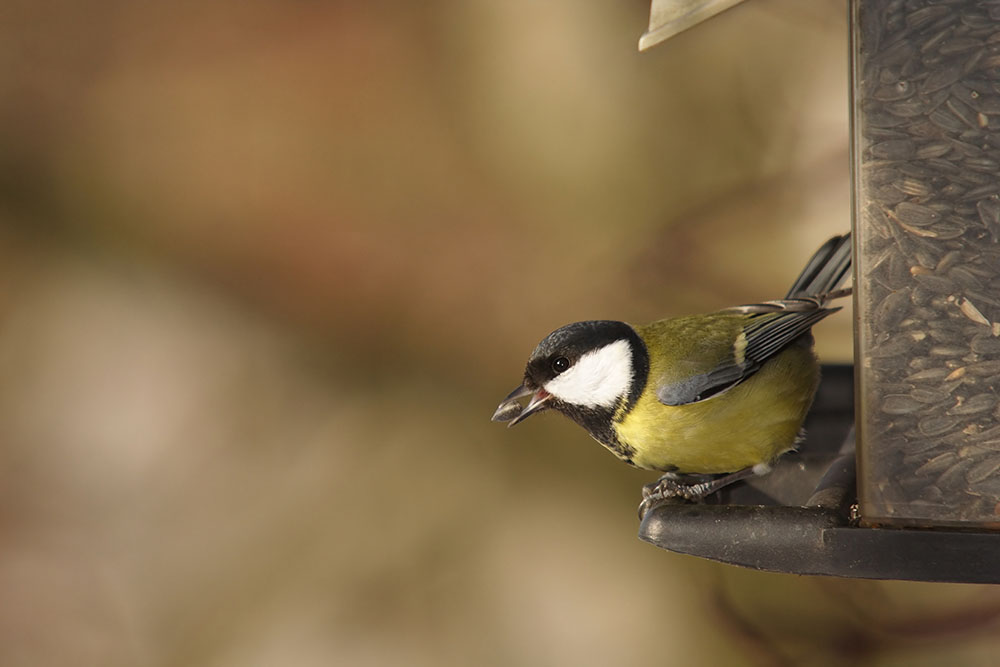
There is something deeply comforting about looking out the window on a frosty morning and seeing a flurry of activity at the feeders. If you’ve ever wondered if your efforts truly make a difference, the answer is a resounding yes.
Feeding our wild avian friends helps sustain local populations during the harshest chapters of the year—from the biting cold of winter to the exhausting stretches of migration. When we put out a feeder, we aren’t just decorating our yards; we are providing a vital lifeline.
Reliability is Key
During the winter, I always make it a point to refill my feeders first thing in the morning. Birds are high-energy creatures that need to “refuel” after a long, cold night. Once they discover your yard, they’ll begin to rely on you as a consistent food source.
If you’re planning to be away for a few days, try to put out a few extra feeders or ask a bird-loving neighbor to keep an eye on things. Even if they aren’t entirely dependent on your seeds, having that reliable “safety net” helps them thrive when natural forage is scarce.
The Golden Rules of Feeder Placement
Finding the perfect spot for your feeder is a bit of a balancing act. You want a front-row seat to the action, but safety has to come first!
Visibility: Choose a spot that’s easy for you to see and—most importantly—convenient for you to reach for those daily refills.
Safety from Predators: Place feeders where “seed-hungry” squirrels can’t jump onto them and “bird-hungry” cats can’t hide nearby for an ambush.
Window Safety: To prevent collisions, place feeders either less than three feet from a window or well over ten feet away. Being close to the glass actually prevents birds from gaining enough speed to hurt themselves if they get startled.
Choosing the Right “Table” for Your Guests
Not every bird eats the same way! While some, like doves and juncos, are perfectly happy feeding on the ground, others prefer a bit of elevation.
Tube Feeders are a personal favorite for many backyard birders. These hollow cylinders with multiple perches are perfect for small “clinging” birds like finches, goldfinches, titmice, and chickadees. Because the seed only flows when a bird pecks at it, these feeders do a wonderful job of keeping spillage (and waste!) to a minimum.
Patience is a Virtue
If you’ve just hung a brand-new feeder and the birds haven’t arrived yet, don’t worry! It can take a little time for the local “scouts” to discover a new station. As long as your feeders are clean and filled with fresh, high-quality seed, I promise you: they will find them. Once the word gets out, it won’t be long before your backyard becomes the most popular neighborhood hangout. Watching their charming antics and knowing you’re helping them survive the season is a reward like no other.