Unlocking the Year-Round Magic of Bird Feeding: Your Friendly Guide to a Thriving Backyard
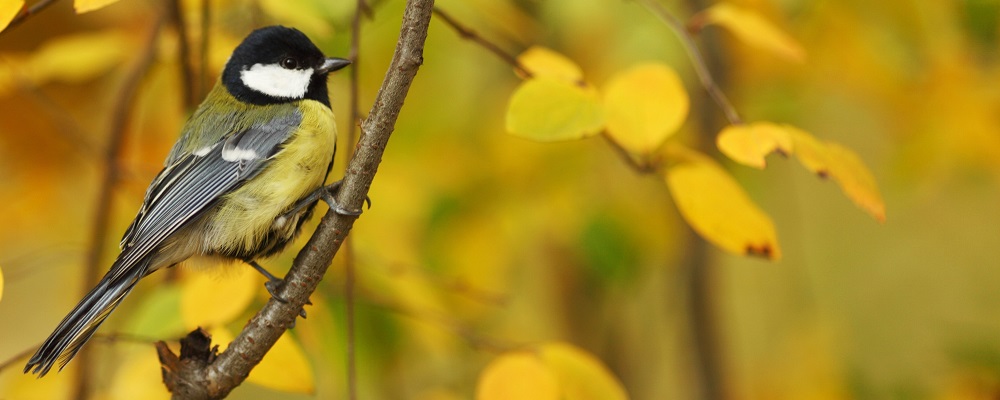
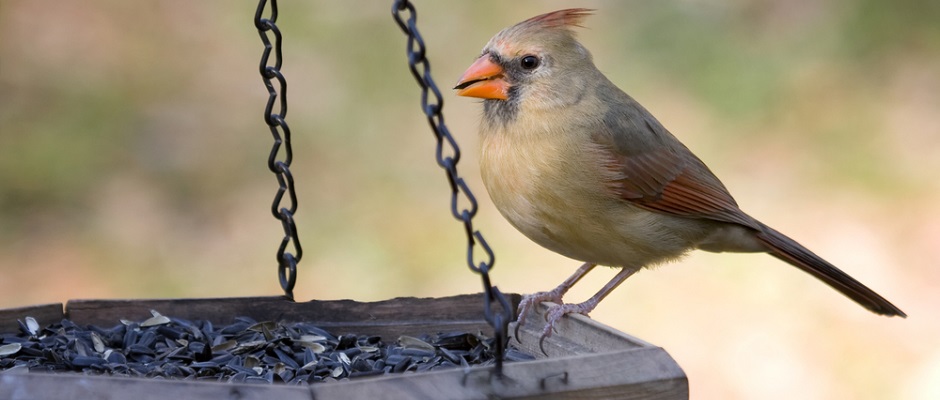
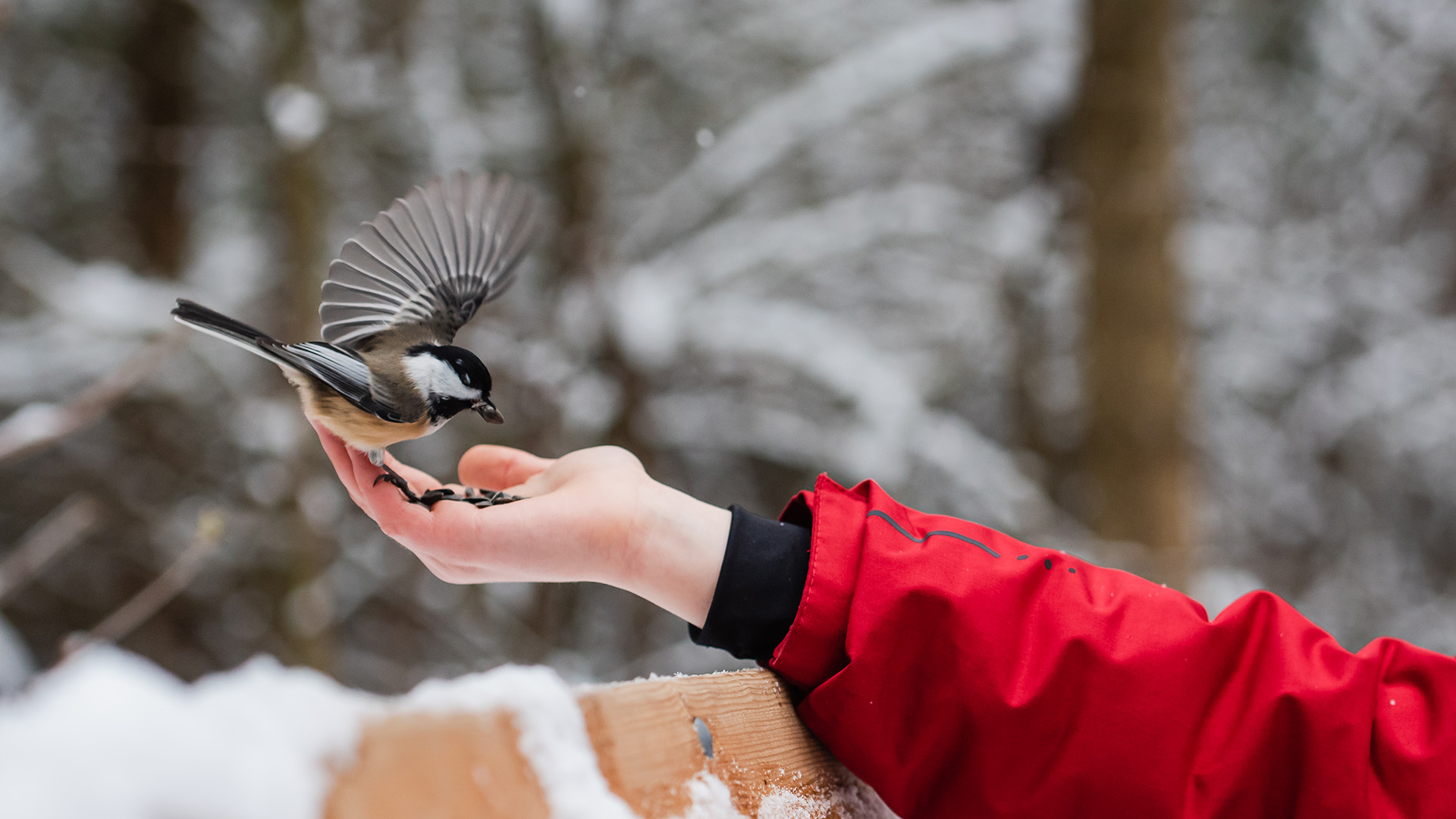
When I look out my kitchen window on a chilly morning, nothing brings me more peace than seeing a cardinal flash its bright red against the gray sky, or watching a chickadee snatch a seed from the feeder. If you’re anything like me—whether you’ve been tending feeders for decades or are just now hanging your very first one—you understand the quiet joy of connecting with nature right in your own backyard.
It’s no wonder birding is one of America’s most beloved pastimes! We love them for the beauty and charm they bring, but the truth is, birds play an absolutely essential role in keeping our local ecosystem healthy. During the spring and summer, they are the unsung heroes of the garden, helping control insect pests that could otherwise wreak havoc on our precious plants. And in the colder months, when they gather around our feeders, they offer a spectacular show that brightens the short, gray days.
Getting involved with bird feeding is much more than just tossing out some seed; it’s an opportunity for connection, learning, and stewardship. Let’s dive into how you can make your backyard the most popular stop on the neighborhood flight path, starting now and continuing all year long.
The Basics: Why Birds Need Our Help (Especially Now)
In the spring and summer, most songbirds thrive on a diet rich in protein from insects, spiders, and caterpillars. But as the seasons change and winter settles in, non-migratory species suddenly face a scarcity crisis. Insects vanish, and natural food sources like berries and wild seeds become depleted or are covered by snow.
This is where we step in. By offering a consistent, high-energy food source, we help ensure these resilient little creatures have the energy needed to survive cold nights and thrive throughout the day. Your feeders aren’t just a convenience; they are often a lifeline.
The Gold Standard: Choosing the Right Fuel
When you walk down the seed aisle, the sheer number of options can feel overwhelming. Do you need five different kinds of seeds? The answer is thankfully simple. While it’s true that different species have distinct preferences, you can attract the widest variety of beautiful songbirds by focusing on one powerhouse seed: black oil sunflower seed.
I consider black oil sunflower seed the “universal donor” of the bird feeding world. It has a high-fat content (which translates to essential energy for birds), and its shell is thin, making it easy for both large and small birds to crack open.
If you want to level up your feeding game and minimize waste, consider shelled sunflower chips (or hearts). While slightly more expensive, they eliminate the mess of discarded shells underneath your feeder and make the meal easier for birds to consume quickly—a huge advantage when predators or extreme cold are factors.
Beyond Seed: Creating a Buffet for Variety
While black oil sunflower seed will attract the majority of your feathered guests, offering a varied menu is the secret to increasing your visitor count and attracting more unusual species. Think of it as opening a five-star bird restaurant!
Suet: This is a game-changer, especially in winter. Suet (rendered animal fat mixed with seeds, nuts, or dried fruit) provides dense, easily digestible calories that are crucial for birds like woodpeckers, nuthatches, and chickadees. I love watching a Downy Woodpecker cling to a suet cage—it’s pure entertainment!
Peanuts and Peanut Pieces: High in fat and protein, peanuts are favorites of jays, titmice, and even some woodpeckers. Ensure you are using unsalted, raw pieces designed for birds to prevent choking hazards.
Nyjer (Thistle) Seed: If you want to attract those cheerful flocks of bright yellow goldfinches or pine siskins, you absolutely must offer Nyjer seed in a specialized thistle feeder. It’s too fine for regular feeders and needs those small dispensing ports to prevent waste.
Mealworms: Primarily a treat for insect-eaters like bluebirds or robins, dried mealworms can bring a completely different clientele to your yard. They are easy to offer and a fun addition to your birding menu.
Remember, a varied diet equals a varied bird population!
The Three Pillars of a Bird Sanctuary
Food is a powerful magnet, but truly creating a welcoming haven requires addressing three fundamental needs: Food, Water, and Shelter.
1. Water: The Year-Round Essential
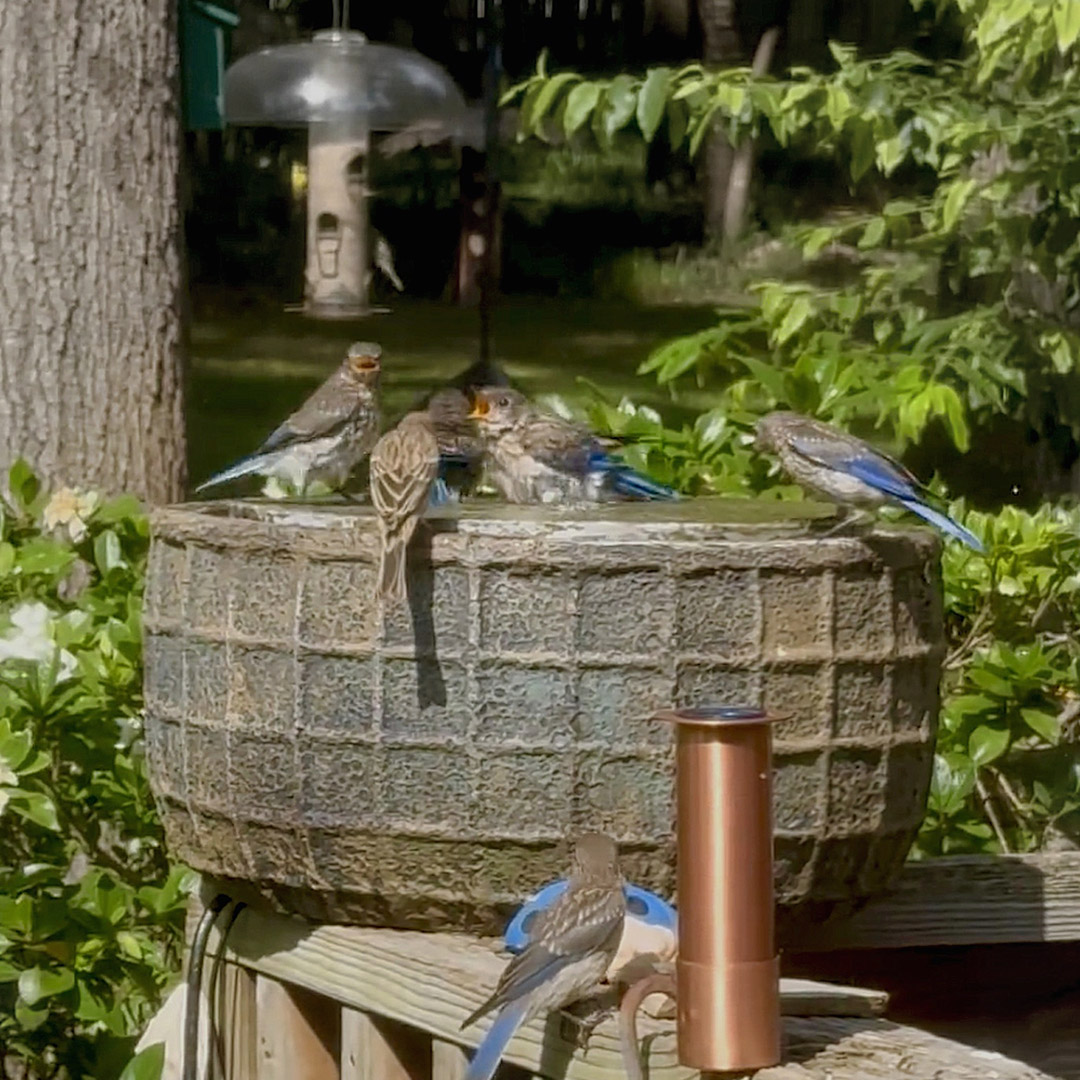
Many people overlook the importance of water in winter. Birds need clean water for drinking and preening their feathers (which is essential for insulation) just as much as they need food. When natural water sources freeze, your birdbath becomes a critical resource.
My friendly tip here is to invest in a heated birdbath or an immersion heater. This is one of the single best things you can do to support local birds in cold weather. They are incredibly easy to set up and maintain, and the sight of a bird splashing happily in warm water while snow falls around them is truly priceless.
2. Shelter: Safety and Rest
Birds need a safe place to rest, escape predators, and hide from severe weather. This is where your landscaping plays a critical role.
Native Plants: Dense evergreen shrubs, bushes, and trees offer vital protection from wind, rain, and snow.
Brush Piles: A simple brush pile in a corner of your yard provides fantastic, dense cover close to the ground.
Roosting Boxes: These specially designed houses offer a safe, enclosed cavity where multiple birds can huddle together for warmth on freezing nights.
Placing your feeders relatively close to natural cover (but not so close that squirrels can jump from them!) gives birds a quick escape route and reduces stress.
The Joy of Observation: More Than Just a Hobby
As you watch your feeders this season, take a moment to truly observe. This is the heart of the bird feeding experience.
Identification: Grab a simple field guide or use an app. Can you tell the difference between a House Finch and a Purple Finch? How many different colors do you see on that female Downy Woodpecker? This simple act of identification is educational and adds immense depth to your enjoyment.
Behavior: Notice their social structures. Chickadees often follow a pecking order. Some birds, like titmice, will take a single seed and fly off to eat it elsewhere, while others, like doves, will feed lazily on the ground. Understanding these behaviors reveals their clever, resilient nature.
Whether you’re making a dedicated commitment to a high-capacity system or simply enjoying a single tube feeder, you are participating in a wonderful act of conservation and community. You are supporting nature, learning about your local environment, and creating a little oasis of life right outside your door.
So, put out that fresh batch of seed, top off that heated bath, and settle in. I promise you, the joy that comes from unlocking the magic of a thriving, bird-filled backyard is truly unmatched. Happy feeding!